Published: July 28, 2026 | Author: Karl Huang, with field notes from Warwick Hensley
I run this site from a desk, but the best material always comes from readers who were standing in the right place. This piece is built on notes from Warwick Hensley, a third-generation sheep farmer from Dubbo, New South Wales, who timed his May 2026 trip so that he and his wife Lyn would be in Kashgar for the Xinjiang Corban Festival, the local name for Eid al-Adha. A man who has spent forty years around merinos turned out to be the perfect witness for a holiday that revolves around sheep. I have checked his dates, prices and place names against official holiday notices and my own contacts in Kashgar, and edited his notes into the guide below.
Quick reference: Xinjiang Corban Festival
| Item | Details |
|---|---|
| What it is | Eid al-Adha, called Corban (Qurban) in Xinjiang; the biggest festival of the year for Uyghur, Kazakh, Hui, Kyrgyz and Tajik communities |
| 2027 date (approx.) | Around May 16-17, subject to moon sighting; it shifts about 11 days earlier each year |
| Public holiday | Official holiday in Xinjiang, typically 3 days for all residents regardless of ethnicity |
| Where to see it | Kashgar (Id Kah Square), Hotan, Turpan old town, Kazakh areas of Ili for horse games |
| Key moments | Dawn prayer, sama dance on Id Kah Square, family feasts, livestock markets in the days before |
| Cost impact | Hotels in Kashgar rise 30-50%; book 6+ weeks ahead |
A sheep man walks into the Mal Bazaar
Warwick’s notes start three days before the festival, at Kashgar’s Sunday livestock market. His words: “Lyn wanted the old town. I wanted the sheep yards, and the Mal Bazaar before Corban is the busiest sheep sale I have ever seen, and I’ve done forty years of them at Dubbo. Fat-tailed rams going for 2,200 to 3,000 yuan, prices up maybe a third on normal weeks according to the trader next to me, who spoke enough Mandarin for my translation app to keep up. Out of pure habit I pulled back a ram’s lip to check its teeth. The seller thought this was the funniest thing he had seen all morning, called his brother over, and we spent twenty minutes arguing breeds through the app. He would not let me leave without tea.”

Every family that can afford it buys an animal before Corban, usually a sheep, and the sacrifice on the first morning is the heart of the holiday. The meat is split three ways by tradition: a share for the family, a share for relatives and neighbours, and a share for people who have less. Warwick, who has sold sheep into Eid markets in Australia for decades, said seeing the buying end of it changed how he thinks about the trade. “At home it’s an order on a screen. Here it’s a bloke choosing the exact animal his father will bless at dawn.”
The morning at Id Kah Square
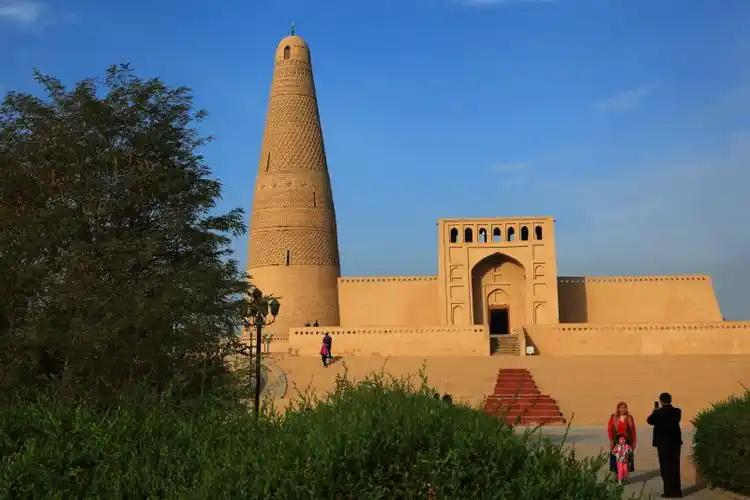
On the first morning the couple were outside Id Kah Mosque by 6:40am. Prayer space spills from the mosque onto the square, and non-Muslim visitors watch from the edges; police set a cordon and staff politely wave tourists behind it. Warwick and Lyn took a table on a teahouse balcony across the square, which he rates as the best 30 yuan he spent all trip. “Two pots of tea, a plate of sangza, and a clear view of several thousand men praying in rows in the half light. When prayer ended, drummers and a suona player started up from the mosque gate and older men began the sama dance in the square, slow turns, arms out. Nobody performs it for tourists. It simply happens, and then everyone goes home to eat.”
Photography needs care here. Shoot the wide scene from a distance and you are fine; pushing a lens into rows of praying men is not on. Our Xinjiang etiquette guide covers the details, but the short version is: ask, or stay wide.
Feast day: what lands on the table
By 11am the couple had been invited to lunch by the family who ran their guesthouse, something that happens to a lot of travellers on Corban if you are friendly and around. The spread: a mountain of polo (the festival version, heavy on yellow carrot and raisins, made with meat from that morning), boiled mutton served on the bone with raw onion, stacked rings of fried sangza, dried apricots, tea refilled endlessly. If you want to understand the rice dish before you go, read our polo deep-dive; for the roasted meats that appear at bigger gatherings, the whole roast lamb tradition is its own story.
Warwick’s advice for guests: bring fruit or boxed sweets, never money; accept the tea; try everything once; and pace yourself, because a second household may well invite you the same afternoon. All food during the festival is halal as a matter of course. Muslim travellers planning a longer trip should see our halal food guide.
Then north: Corban on the actual steppe
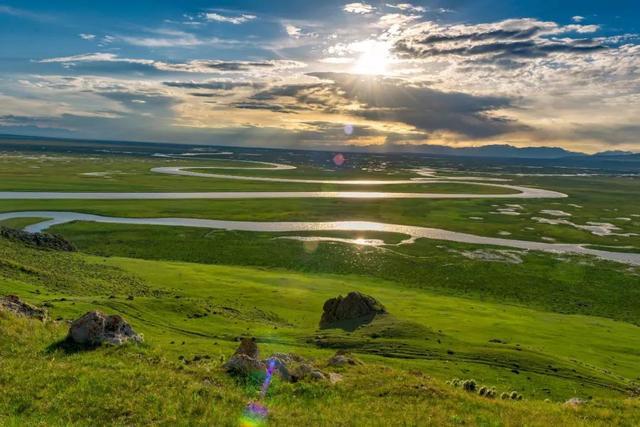
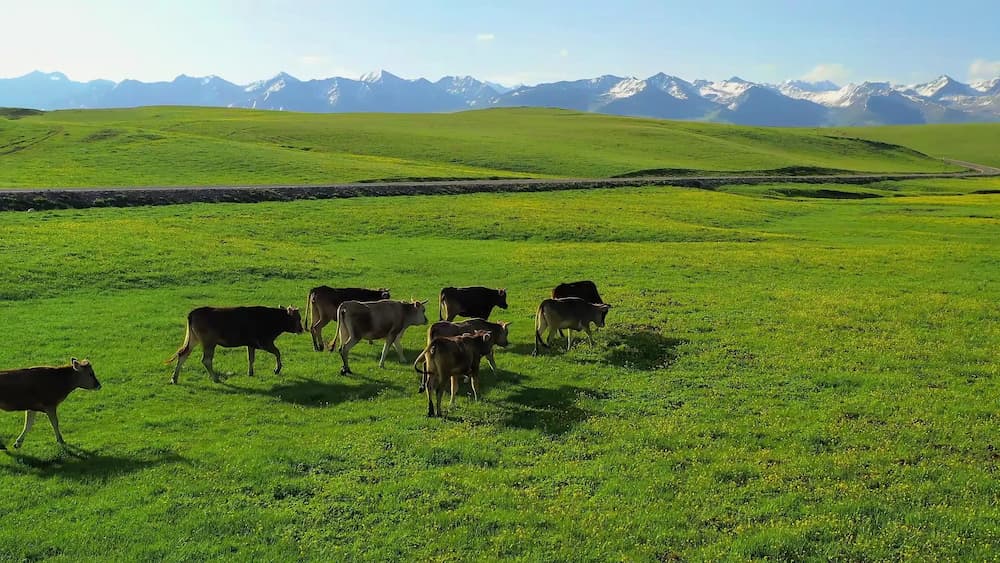
Two days later the Hensleys flew Kashgar to Yining and hired a driver into the Kazakh country east of the city, where a contact from their guesthouse had family marking the holiday the herders’ way. This is the half of Corban most visitors never see. On a flat stretch of pasture there was horse racing with teenage jockeys, wrestling, and a rough, thrilling game of kokpar, two mounted teams contesting a goat carcass, which Warwick describes as “polo with no rules I could detect and much better horsemanship.” Kazakh families celebrate the same feast and sacrifice, but the games, the felt yurts and the airag (fermented mare’s milk) give it a completely different flavour. Our guide to Kazakh culture in the Tianshan gives the background on these traditions.
When is the Xinjiang Corban Festival? Dates and planning
Corban follows the Islamic lunar calendar, so it moves about 11 days earlier each Gregorian year and the exact day is confirmed only by moon sighting shortly beforehand. It fell in late May in 2026; for 2027 expect roughly May 16-17, and for 2028 early May. Xinjiang lists Corban as an official public holiday for all residents, usually three days, which means it combines the crowd dynamics of a festival with those of a long weekend. Trains and flights into Kashgar, Hotan and Yining fill early, and hotel prices climb 30-50% in the old-town areas. Our public holidays and crowds guide explains how these holiday surges work across the region, and the festivals calendar puts Corban alongside the year’s other celebrations.
Where to stay
For the festival itself, location beats luxury. In Kashgar, anywhere within a 15-minute walk of Id Kah Square lets you reach the dawn gathering on foot; the old-town guesthouses (150-300 yuan) are also your most likely source of a lunch invitation. Book at least six weeks out for a Corban window. Warwick paid 260 yuan a night for a courtyard room booked seven weeks ahead; the same room was listed above 400 by festival week. In Yining, stay in the city and arrange day trips to Kazakh areas rather than hoping for accommodation on the grassland, unless a yurt stay has been organised in advance through a tour operator.
Practical tips
1. The first morning is quiet by design. Most Uyghur-run shops and restaurants close on day one and sometimes day two; Han-run places and mall chains stay open, so you will not go hungry, but plan errands around it.
2. Banks and many government offices close for the full holiday. Sort SIM cards, permits and cash beforehand.
3. Be at the square by 6:30am. Prayer time shifts with the season; ask your hotel the night before.
4. The sacrifice happens in courtyards and designated points on the first morning. It is not hidden. If you would rather not see it, stay near the square and main streets until mid-morning.
5. Buy sangza and fruit the day before as guest gifts. Bakeries sell out.
6. Dress a notch more conservatively than usual: covered shoulders and knees for everyone, and remove shoes if invited into a home.
A three-day Corban itinerary
Day before: Kashgar livestock market in the morning (go early, it winds down after 2pm), old-town wander and gift shopping in the afternoon, early night.
Day one: Id Kah Square from 6:30am for prayer and the sama dance, teahouse breakfast, quiet midday (accept any lunch invitation that finds you), old-town streets in the late afternoon as families visit each other in new clothes.
Day two: Fly or drive toward Ili if you want the steppe side; otherwise day-trip from Kashgar and enjoy the reopening food street in the evening.
FAQ
Can non-Muslim tourists attend the Corban Festival? Yes. The public parts, the square gathering, the dance, the markets, are open to respectful onlookers, and family hospitality toward visitors is common.
Is it a good or bad time to visit Xinjiang? Good, if you book early and want culture; awkward, if your plan is museums and errands, since much closes for up to three days.
Will I see the animal sacrifice? Possibly, in old-town lanes on the first morning. It is done quickly and skilfully. Stay on main streets if you prefer not to.
Is Corban the same as Eid al-Adha? Yes. Corban (also written Qurban or Korban) is the Central Asian name for the same festival observed by Muslims worldwide.
Do I need special permits for festival areas? No extra permit for Kashgar or Yining. Standard rules for border zones still apply if you continue toward Tashkurgan.
Disclaimer
Festival dates depend on moon sighting and official announcements, and holiday arrangements can change year to year. Prices reflect May 2026 and are indicative only. Verify dates and book transport early before planning a trip around Corban.
About this article: Field notes by Warwick Hensley, a sheep farmer from Dubbo, NSW, who attended Corban in Kashgar and the Ili Valley with his wife in May 2026. Edited, fact-checked and expanded by Karl Huang, who writes about Xinjiang travel for international visitors. Neither of us accepted sponsorship from any operator mentioned; all costs were paid out of pocket.
For broader advice on joining celebrations as a respectful guest, read our Xinjiang festival participation guide.