Published: July 31, 2026 | Author: Marta Kowalczyk, packaging designer and lifelong museum-shop addict
I flew into Urumqi with a half-empty duffel bag on purpose. Friends had warned me that Xinjiang souvenirs would eat every spare cubic centimeter of luggage, and they were right: three weeks later I checked in at the airport with a bag of raisins wedged between a hand-hammered copper pot and a rolled-up felt rug, praying the scale would show mercy. It showed 22.8 kg. This guide is the one I wish someone had handed me on day one — what’s actually worth buying in Xinjiang, roughly what it costs, where the fakes hide, and what customs will and won’t let you take home.
Everything below comes from receipts I still have, conversations with stall owners in four cities, and a couple of purchases I regret. Prices are from June–July 2026 and will drift, so treat them as ballpark figures rather than gospel.
Quick Reference: Xinjiang Souvenirs at a Glance
| Souvenir | Typical price (CNY) | Best place to buy | Luggage risk |
|---|---|---|---|
| Dried fruit & nuts | 20–80 per 500g | Local bazaars, not airport | Low, but heavy |
| Atlas silk scarf | 80–400 | Hotan, Kashgar workshops | None |
| Hotan jade | 100 to no upper limit | Certified shops in Hotan/Urumqi | Fakes everywhere |
| Uyghur knife (yengisar) | 150–800 | Display purchase only | Cannot fly with it — ship it |
| Copper & brassware | 60–600 | Kashgar old town | Heavy, awkward shapes |
| Felt & wool rugs | 200–2,000 | Kashgar, Kucha bazaars | Bulky, shippable |
| Rose & osmanthus products | 15–120 | Ili Valley, Urumqi | Liquids in checked bag |
| Doppa (embroidered cap) | 30–200 | Any bazaar | None — wear it home |
The Duffel Bag Test: My Three Weeks of Buying
My first purchase was a mistake, and I’m glad it happened early. At a tourist shop near Tianchi Lake I paid 160 yuan for a “silk” scarf that later melted slightly when my hostel roommate tested a thread with a lighter. Real silk chars and smells like burnt hair; polyester beads up. Lesson learned for the price of two dinners.
After that I slowed down. In Kashgar’s old town I spent a full morning watching a coppersmith named Abdulla planish a water jug, and the pot I eventually bought from him (280 yuan, after tea and unhurried bargaining) is the object I’d grab first in a house fire. In Hotan I bought two atlas silk scarves directly from a workshop where the tie-dyed warp threads were still hanging on the loom — 150 yuan each, and the seller threw in a small offcut when I asked how the zigzag pattern was made. If you want the full story on that fabric, I went deeper in our atlas silk buyer’s guide.
The purchase I agonized over most was jade. Hotan’s riverside night market is theater — men with flashlights holding pebbles up like jewelers — but genuine nephrite starts at prices that made my eyes water, and the cheap “river seeds” sold to tourists are mostly quartzite or glass. I ended up buying a small certified pendant (420 yuan with a lab certificate) from a licensed shop instead. Our separate jade shopping guide covers how to read those certificates; read it before you spend serious money.
What’s Genuinely Worth Buying
Food: the souvenirs people actually finish
Six months from now, the rug will still be on your floor, but the dried fruit will be gone and missed. Turpan raisins come in a dozen varieties; the small green seedless ones (mare’s nipple grapes, awkward name, wonderful flavor) cost me 35 yuan per 500g at a Turpan market versus 88 at the airport. Also worth suitcase space: Ruoqiang red dates, paper-shell walnuts, dried apricots from Kuqa, and vacuum-packed bagels-of-the-gods known as nang bread, which survive travel surprisingly well. Skip fresh melons — they’re superb but customs in most countries will confiscate them.
Crafts with a maker’s name attached
The doppa (the embroidered square cap) is the best cheap souvenir in the region: light, flat-packable, 30–80 yuan for machine-embroidered, 150+ for handwork with visibly irregular stitches. Musical instruments like a small rawap make striking wall pieces from around 300 yuan, though a playable one costs more. Felt shyrdak rugs from Kirgiz makers run 200–600 yuan for a door-mat size.
The famous knife problem
Yengisar knives are Xinjiang’s most storied craft item, and also the most impractical purchase. You cannot carry one in any luggage on a Chinese domestic flight, checked or not, and trains are equally strict. Reputable sellers will offer to courier the knife to your hotel in mainland China or, for international buyers, discuss export paperwork — get this promise in writing before paying. I admired, photographed, and left empty-handed. No regrets.
Where to Shop: Getting There
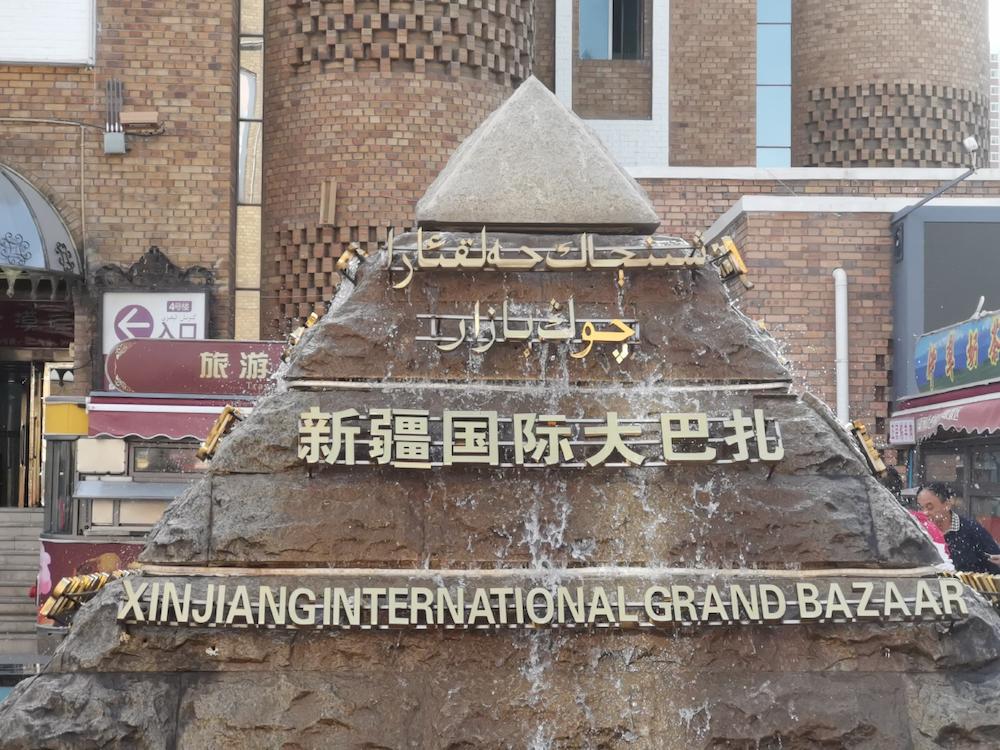
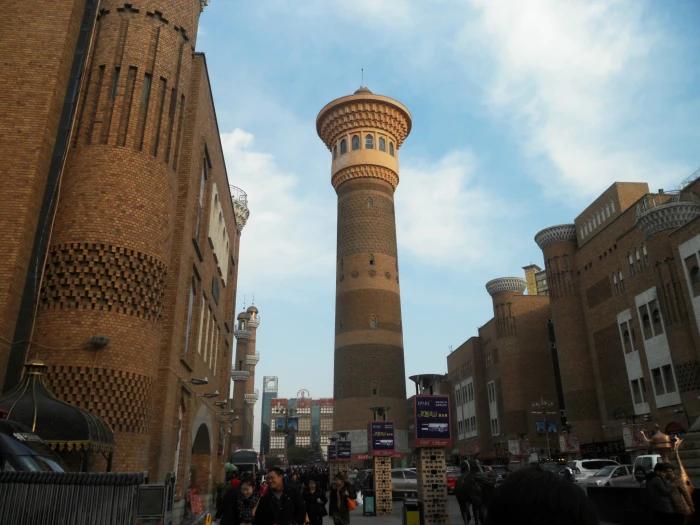
Urumqi’s International Grand Bazaar sits in the Tianshan district; take metro Line 1 to Erdaoqiao station and you’re at the gate. It’s the most convenient one-stop option and prices reflect that — figure 20–40% above what the same item costs in Kashgar. Kashgar’s old town bargains cluster on Handicraft Street (Zhiren Street), a 15-minute walk from Id Kah Mosque; flights from Urumqi take about two hours, or it’s an 18-hour train ride if you enjoy scenery and suffering. Hotan, for jade and silk, is a 1.5-hour flight from Urumqi. Taxis in all three cities are cheap; DiDi works everywhere with a Chinese SIM.
When to Go
Shopping-wise, timing matters more than you’d think. Late August through October is harvest season, when dried fruit is freshest and cheapest and the bazaars are fully stocked. The Kashgar Sunday livestock market — more spectacle than shopping, though the adjacent stalls sell rugs and tack — runs year-round but swells in summer. Winter visits mean thinner crowds and motivated sellers, but some smaller workshop stalls close from December to February. I was there in high summer: hot, busy, everything open, bargaining slightly harder because tour groups keep prices propped up.
Where to Stay for Shop-Till-You-Drop Access
In Urumqi I stayed two stops from Erdaoqiao on the metro, which meant I could drop heavy bags at the hotel mid-afternoon and go back for round two. Mid-range chains near the bazaar run 250–400 yuan a night. In Kashgar, the courtyard guesthouses inside the old town put you thirty seconds from the craft streets — mine cost 180 yuan and the owner stored my copper pot behind the front desk for three days without blinking. Book ahead in July and August.
Eat While You Haggle
Bazaar food is half the reason to shop here. The food court on the upper floor of Urumqi’s Grand Bazaar does a competent laghman for 25 yuan, but the better move in Kashgar is grazing: fresh pomegranate juice pressed in front of you (10 yuan), samsa straight from the tandoor wall (5 yuan each), and slabs of matang — the nut-and-syrup nougat — sold by weight. One warning from experience: matang sellers quote per 50 grams, not per slab. Confirm the total before they cut, or you’ll own 400 yuan of nougat. Ask them to vacuum-seal some; it makes a great edible gift.

Practical Tips From My Receipts
- Bargain in bazaars, not in certified shops. At open stalls, counter at 40–50% of the first price and settle around 60–70%. Certificate-backed jade and silver shops have fixed prices.
- Pay by phone. Even the smallest stall takes WeChat Pay or Alipay; foreign cards now link to both. Carry 200 yuan cash as backup for elderly vendors.
- Weigh your bag before the airport. Dried fruit is dense. My 3 kg of raisins and dates nearly cost me a 300-yuan overweight fee.
- Shipping is easier than it looks. China Post counters near major bazaars ship rugs and copperware internationally; my 4 kg parcel to Warsaw cost 380 yuan and arrived in 19 days.
- Check your country’s food import rules. Most allow sealed dried fruit and nuts; almost none allow meat products, so leave the vacuum-packed sausage.
- Photograph the maker with the item. Sounds sentimental, but it also helps if you need to prove provenance or reorder later. Every craftsman I asked said yes.
A One-Day Souvenir Run in Urumqi
If you only have a single day at the end of your trip, this worked for me: 10:00 metro to Erdaoqiao, coffee, then the Grand Bazaar’s craft floors before tour buses arrive around 11:30. Lunch upstairs at the food court. 14:00 walk the surrounding streets — the shops outside the bazaar walls sell the same doppa and scarves for noticeably less. 16:00 hit a dried-fruit wholesale shop on Jiefang South Road for vacuum-packed everything. Evening: repack your bag on the hotel floor and question your choices. For context on why these markets work the way they do, our piece on bazaar culture in Xinjiang is a good companion read.
FAQ
What are the best Xinjiang souvenirs for people who hate clutter?
Consumables: dried fruit, walnuts, saffron-adjacent spices like safflower, and rose jam from the Ili Valley. They cost little, weigh the suitcase down honestly, and leave no dust-collecting evidence.
Can I take a Yengisar knife home on a plane?
Not in carry-on or checked luggage on Chinese flights. The only legal route is courier shipping arranged by the seller, and international export needs paperwork many sellers can’t provide. Assume the answer is no unless a licensed shop proves otherwise.
Is bazaar jade ever real?
Occasionally, which is exactly what makes it dangerous. Without a lab certificate and a refund policy, treat any street jade as costume jewelry and pay accordingly — 50 yuan for a pretty stone is fine; 5,000 is a gamble.
Are prices at the Urumqi airport reasonable?
For last-minute dried fruit, they’re roughly double city prices but the quality is fine. Buy your gifts in town; use the airport only for what you forgot.
Do shops ship internationally?
Larger rug and jade shops do, and China Post handles the rest. Keep the receipt and the tracking slip photographed, and expect two to four weeks to Europe or North America.
Disclaimer
Prices, shop locations, and shipping details reflect the author’s visit in June–July 2026 and may have changed. Customs and aviation rules on knives, food, and jade differ by country and airline — verify current regulations with official sources before purchasing. This article contains no sponsored recommendations; all items were paid for in full by the author.
About the author: Marta Kowalczyk is a packaging designer from Gdańsk who judges every city by its markets and every purchase by whether it survives the flight home. She spent three weeks across Urumqi, Turpan, Kashgar, and Hotan in summer 2026, and her copper pot from Kashgar now lives on her kitchen shelf, dented from the journey and better for it.