Published: August 3, 2026 | Author: Anders Holm, wildlife journalist
Ebinur Lake in Xinjiang is not the kind of place that ends up on a highlights reel, and that is exactly why I kept going back. It sits in the far northwest of the region, in Bortala Mongol Autonomous Prefecture, and it has been quietly losing water for most of the last century. What is left is a shallow salt lake ringed by reed beds, tamarisk scrub and a rim of cracked, glittering flats. I first drove out here in 2021 to write about migratory birds, came back in the spring of 2024, and each time the shoreline had moved a little further away from where the old maps said it should be.
I write about wetlands and wildlife for a living, mostly across Central Asia, and I have spent enough mornings behind a spotting scope to know when a place deserves a careful account rather than a glossy one. This guide leans on two of my own trips, conversations with reserve staff at the Ebinur checkpoint, and figures published by regional environmental authorities. Where I am unsure, I say so.
Ebinur Lake in Xinjiang at a glance
| Detail | What to know |
|---|---|
| Location | Jinghe County, Bortala Prefecture, western Junggar Basin |
| Type | Shallow endorheic salt lake, fed mainly by the Bortala and Jing rivers |
| Why it matters | Major bird wetland; a leading source of salt-dust storms in the northwest |
| Access | Core zone is a national nature reserve; parts need permits and a guide |
| Nearest hub | Jinghe (Jing County) rail town, roughly 40 km north-east |
| Best months | Late April to May and September to mid-October |
| Time needed | A half day at the reserve edge, or a full day with the wider Bortala area |
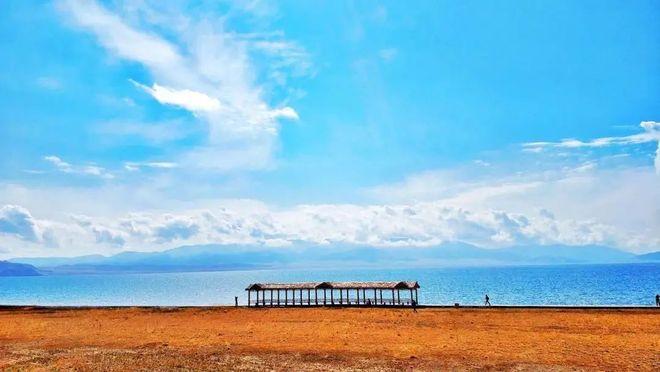
The name comes from Mongolian and is usually read as “sun-facing lake.” At its 1950s peak the water covered something close to a thousand square kilometres. Reserve staff told me it now swings between roughly three and five hundred, depending on the year and how much the feeder rivers deliver, and because the lake is only a few metres deep at best, a hot summer can pull the edge back by a startling distance.
What it was actually like out there
My clearest memory is the sound, or rather the lack of it. On my May 2024 visit we parked at the reserve boundary a little after six in the morning, and the wind that the Alashankou gap is famous for had not yet picked up. The reed beds were full of noise — reed warblers, a pair of swan geese arguing somewhere out of sight — but the open water itself was flat and silent. My guide, a reserve ranger named Bao, walked me along a raised track and pointed out where the waterline had been the previous autumn. It was a good hundred paces further out than the current edge.
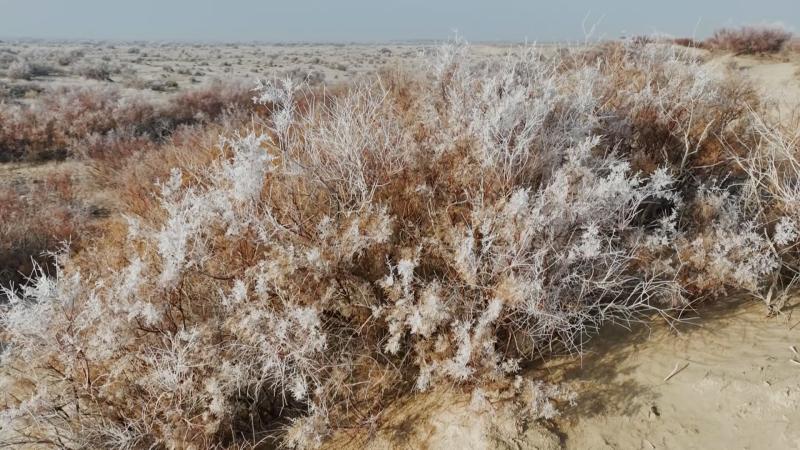
We saw great crested grebes, black-headed gulls, and, through the scope, a cluster of ruddy shelducks that Bao counted under his breath. He was blunt about the trade-offs. More visitors means more funding for the reserve, he said, but the birds do not care about our schedules, and a single careless drone can clear a whole roosting flock. I put mine away and left it in the car for the rest of the morning. The salt flats near the shore crunched underfoot like old snow, and when I licked a fingertip it was sharp and mineral, nothing like sea salt.
By ten the wind had arrived, and I understood the dust reputation immediately. A thin haze lifted off the dry lakebed to the west and drifted toward the rail corridor. This is not a gentle place at midday, and it is one reason the reserve keeps a firm hand on where people can walk.
Getting to Ebinur Lake Xinjiang
Most travellers reach the area from Jinghe, a small town on the main railway and expressway running west from Urumqi toward the Kazakh border. Trains from Urumqi to Jinghe take around five to six hours; the town also sits on the road most people use for Sayram Lake, which is about two hours further west. From Jinghe you need a car for the last stretch to the reserve, and there is no scheduled public transport to the lake itself.
If you are already touring the region, Ebinur pairs naturally with Bortala and the wind-blasted border crossing at Alashankou. I hired a driver in Jinghe both times rather than self-driving, mostly because the reserve entry rules change and a local knows which gate is open. If you do prefer your own vehicle, the wider planning advice in this self-drive guide to Xinjiang applies here more than most: fuel up in town, and do not trust a satnav to route you across the lakebed.
Best time to visit
Timing at Ebinur is really about birds and wind. The two migration windows — late April into May, and September into mid-October — are when the wetland earns its reputation, with waterfowl staging in good numbers and daytime temperatures that stay reasonable. I would avoid July and August: the heat pushes past 35C, evaporation is at its worst, and the afternoon dust can be genuinely unpleasant. Winter is quiet, cold and largely frozen, and access is limited. For a broader sense of the seasons across the region, the month-by-month weather guide is worth a look before you commit to dates.
Where to stay
There is no lodging inside the reserve, and honestly you would not want any. Base yourself in Jinghe, where a handful of business hotels and guesthouses cover the basics for around 150 to 300 CNY a night — clean rooms, hot water, breakfast that leans heavily on naan and milk tea. Bao recommended arriving the evening before so you can be at the gate at first light, which is the only sensible way to catch the birds before the wind. If you want more comfort, Bortala town has larger hotels but adds an hour of driving each way.
What to eat
Food here is straightforward Bortala fare rather than anything lake-specific. In Jinghe I ate very well at small family restaurants: hand-pulled laghman, a fiery bowl of dapanji shared with my driver, and lamb skewers grilled on the street after dark. Bortala’s Mongol and Kazakh communities also mean you will find milk tea, fried dough and the occasional bowl of horse-meat noodles. Do not expect fish from Ebinur itself — the water is too saline to support the kind of catch you find at freshwater lakes further north.
Practical tips
- Treat it as a nature reserve first. Much of the core is protected. Go with a licensed guide or reserve staff, stay on marked tracks, and do not wander onto the open lakebed.
- Mind the drone rules. Flying near roosting birds is disruptive and often prohibited. Ask before you launch, and expect the answer to be no during migration.
- Go early. The wind and dust build through the morning. Dawn is calm, cooler and far better for wildlife.
- Bring eye and skin protection. Salt dust is abrasive. Sunglasses, a buff and lip balm made a real difference for me.
- Carry your own water and snacks. There are no shops at the lake. Whatever you bring out, carry back.
A simple one-day plan from Jinghe
- 05:30 Leave Jinghe with a driver or guide; grab naan and a flask of tea for the road.
- 06:15 Reach the reserve boundary; walk the raised track while the water is still and the light is soft.
- 08:30 Move to the salt-flat edge for the shrinkage story, then head back before the wind turns the air hazy.
- 11:00 Return to Jinghe for a proper lunch of laghman or dapanji.
- Afternoon Drive on toward Bortala or continue west to Sayram Lake if you are looping the northwest.
If you are weighing this remote corner against the busier south, the north versus south comparison puts places like Ebinur in context. And for a lake this sensitive, hiring help pays off — see why in this piece on travelling Xinjiang with a local guide.
Frequently asked questions
Is Ebinur Lake worth visiting for a general traveller?
Only if you are curious about wetlands, birds or environmental change. It is not a scenic showstopper like Sayram or Kanas. Come for the story and the wildlife, not for postcards.
Do I need a permit?
Parts of the core reserve require permits and a guide, and the rules shift year to year. Arrange access through a Jinghe operator or the reserve office rather than turning up and hoping.
Why is the lake shrinking?
Less inflow from the feeder rivers, high evaporation from such shallow water, and long-term water use upstream. The exposed bed then becomes a dust source, which is why the shrinkage is treated as a regional issue, not just a local one.
Can I swim in it?
No. It is a shallow, highly saline protected lake, not a bathing spot, and you should stay off the fragile shoreline.
What wildlife might I see?
During migration, waterfowl such as grebes, gulls, shelducks and swan geese, plus reed-bed songbirds. Numbers vary hugely by season and water level.
A note before you go
Disclaimer: conditions at Ebinur change quickly. Water levels, reserve access rules, permit requirements, prices and transport all vary by season and year, and the figures here reflect my visits in 2021 and 2024 plus information from reserve staff. This is a protected wetland, so please confirm current rules with local authorities before travelling and follow ranger guidance on site. Nothing here is a substitute for official permits or safety advice.
About the author: Anders Holm is a Copenhagen-based wildlife journalist who has reported on wetlands and migratory birds across Central Asia since 2014. He visited Ebinur Lake with reserve rangers in 2021 and again in spring 2024. He writes about fragile landscapes with an emphasis on visiting them responsibly.