|
Planning a trip to Xinjiang? There’s one topic every traveler wonders about but few talk about openly: toilets. If you’re curious about what to expect — from squat pans in rural areas to modern facilities in Urumqi’s airports — this honest, experience-based guide covers everything you need to know before you go.
Quick Reference: Xinjiang Toilet Overview
| Location | Type | Cleanliness | Toilet Paper | Western Option |
|---|---|---|---|---|
| Urumqi Diwopu Airport | Western + Squat | ★★★★★ | Yes | Yes |
| Urumqi Metro/Shopping Malls | Mostly Western | ★★★★☆ | Yes | Yes |
| Kashgar Old City Scenic Area | Mixed | ★★★☆☆ | Sometimes | Few |
| High-speed Train (Fuxing) | Western + Squat | ★★★★★ | Yes | Yes |
| Long-distance Bus | Squat only | ★★☆☆☆ | No | No |
| Highway Service Area | Squat + Some Western | ★★★☆☆ | Sometimes | Rare |
| Rural Scenic Areas (Kanas, Nanshan) | Squat / Pit toilet | ★★☆☆☆ | No | No |
| Mid-range+ Hotels | Western | ★★★★☆ | Yes | Yes |
| Local Restaurants (small) | Squat / Pit | ★☆☆☆☆ | No | No |
Our First-hand Experience: A 12-Day Trip Across Xinjiang
When we traveled from Urumqi to Kashgar via the high-speed rail line in September 2023, then continued overland to Tashkurgan, toilet accessibility was one of our biggest daily considerations. Here’s what we actually encountered — the good, the bad, and the genuinely surprising.
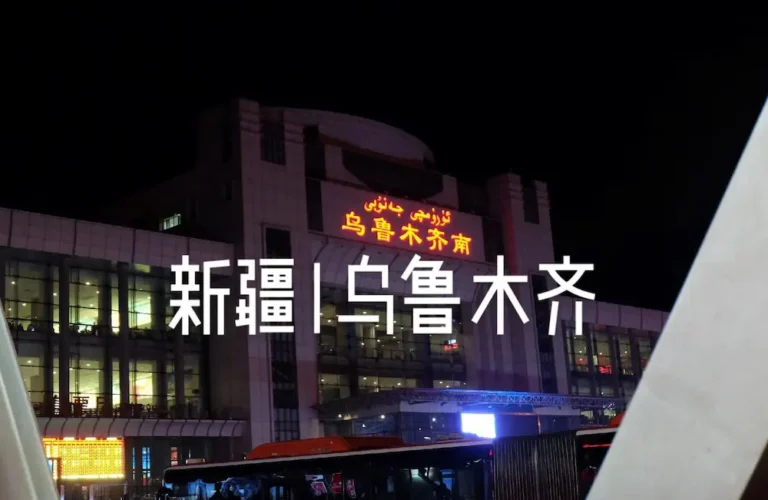
In Urumqi itself, we found facilities comparable to major Chinese cities: clean, well-maintained, with both Western and squat options available. The International Bazaar has decently maintained public toilets on each floor, though they can get busy during peak hours.
The real adjustment began when we headed out of the city. On the drive from Urumqi toward Nanshan Pasture in summer, we stopped at a highway service area about 70 km south of the city. The facilities were functional but basic — squat pans only, no toilet paper, and the cleanliness was, frankly, a work in progress. That’s when we realized: always carry your own supplies.
Types of Toilets You’ll Encounter in Xinjiang
1. Western Toilets (坐便器)
Found in: Urumqi airport, upscale hotels (4-star and above), modern shopping malls, high-speed train first-class cars, and some newer tourist attractions.
Our experience: If you’re particular about using Western toilets, stick to Urumqi and large cities (Kashgar city center, Yining, Turpan city). In these places, Western toilets are standard in hotels and major public facilities. The mid-range to luxury hotels in Urumqi almost always have Western toilets in guest rooms.
2. Squat Toilets (蹲便器)
Found in: Most public toilets, high-speed train economy cars, bus stations, older tourist sites, and budget accommodations.
The reality: Squat toilets are the default in China, and Xinjiang is no exception. If you’ve never used one, here’s the mechanics: you squat over a porcelain basin set into the floor. It’s actually more hygienic since you don’t make direct contact. That said, balance can be tricky if you’re not used to it — practice at your hotel first if needed.
3. Pit Toilets (旱厕)
Found in: Remote rural areas, some scenic area parking lots, basic bus stops, and occasionally at rural market areas like Sunday markets in smaller towns.
Honest assessment: These are the most challenging. They’re essentially a hole in the ground with two footrests on either side. No flushing, minimal odor control, and definitely no toilet paper. We encountered these on a road trip between Yarkant and Tashkurgan. If you can hold it, do. If you can’t — well, now you know.
4. Portable Toilets (移动厕所)
Found in: Major festivals, some festival events like Navruz, and some upgraded scenic areas.
These are becoming more common as Xinjiang’s tourism infrastructure improves. They’re usually squat-style but cleaner than pit toilets.
Toilet Paper: The Golden Rule
Rule #1: Always carry your own toilet paper or tissues.
In our entire 12-day trip, we found toilet paper provided in exactly three places: Urumqi Diwopu Airport, our 4-star hotel in Kashgar, and the high-speed train. Everywhere else — including some paid entry scenic areas — did not provide toilet paper.
We recommend carrying:
- Pocket tissue packs (面巾纸) — available at every convenience store, ¥2-5 per pack
- Wet wipes (湿巾) — useful for cleaning hands when soap isn’t available
- Hand sanitizer — many toilets lack soap, especially in rural areas
Cleanliness: What to Realistically Expect
Urumqi and Major Cities (★★★★☆)
Facilities in Urumqi, Kashgar city center, and Yining have improved significantly post-2020. Airports, shopping malls, and metro stations are well-maintained. During our September 2023 visit, the Urumqi airport toilets were spotless with attendants cleaning continuously.
High-speed Rail (★★★★★)
The Fuxing (复兴号) high-speed trains running Urumqi–Kashgar are exceptional. Toilets are cleaned multiple times per trip, have automatic sinks, and are equipped with disposal bins for sanitary products. This was, genuinely, the best onboard toilet experience we’ve had in China.
Scenic Areas (★★★☆☆ to ★★☆☆☆)
Popular scenic areas like Kanas in autumn have invested heavily in facility upgrades. Kanas Lake visitor center had clean, well-stocked toilets in 2023. However, smaller or less-visited sites may have basic facilities. The Turpan Grape Valley had decent facilities, though busy periods (weekends) can strain cleanliness.
Rural and Remote Areas (★★☆☆☆ to ★☆☆☆☆)
This is where expectations need to be managed. On the Karakoram Highway toward Tashkurgan, we encountered basic pit toilets at some stops. They’re functional but not pleasant. If you’re doing the Pamir Plateau trip, plan accordingly.
Are Toilets Safe? A Note on Security and Privacy
A common concern among solo female travelers in Xinjiang is toilet safety. In our experience:
- City centers: Toilets are generally safe, well-lit, and attended. Urumqi shopping malls have security guards nearby.
- Scenic areas: Toilets are in public areas with steady foot traffic. No issues encountered.
- Night use: If you’re at a hotel, use your room. If you’re on a train, the toilets are in carriage sections with CCTV in the corridors (not inside the toilet itself).
- Privacy: Locks on toilet stall doors are standard in cities and tourist areas. In rural pit toilets, locks may be basic or absent — a door that closes is usually the best you’ll get.
Accessibility: Wheelchair-Accessible Toilets in Xinjiang
If you use a wheelchair or have mobility challenges, here’s what we found:
- Urumqi Airport: Excellent — full accessibility, wide stalls, grab bars, and lowered sinks.
- High-speed train: One accessible toilet per carriage, spacious with grab bars.
- Urumqi Metro: All stations have accessible toilets with proper facilities.
- Scenic areas: Mixed. Kanas visitor center has accessible facilities; more remote sites may not. Check with your tour operator or hotel in advance if this is critical for your trip.
Gender Separation and Etiquette
Public toilets in Xinjiang are gender-separated (男/Men, 女/Women). Some older facilities may have ambiguous signage, but the universal symbols (👨/👩 or 男/女) are standard. In very rural areas, look for the characters rather than symbols.
Etiquette tips:
- Queue politely — cutting in line is strongly frowned upon
- Flush after use (if there’s a flush mechanism — some pit toilets don’t have one)
- Dispose of sanitary items in the bin provided, not in the toilet
- Carry small change — some paid toilets charge ¥0.5-1 (rare but exists)
What to Pack: The Xinjiang Toilet Kit
Based on our experience, here’s what we now pack for every Xinjiang trip:
- 2-3 pocket tissue packs (keep one in each day bag)
- Small pack of wet wipes (单独包装湿巾 are best — they stay moist longer)
- Portable hand sanitizer (50ml — enough for 2 weeks)
- Ziploc bags (for used tissues if no bin is available — yes, you may need to pack out your own waste in extreme rural areas)
- Portable toilet seat cover (if you’re particular about Western toilet hygiene)
Toilets on Different Transport Modes
High-speed Rail (Urumqi–Kashgar line)
Excellent facilities. Toilets are checked and cleaned regularly. Both Western and squat options available. Toilet paper provided. Water for handwashing available. Our top choice for comfort.
Long-distance Bus
Basic. Toilets on buses are essentially a squat toilet with a holding tank. They’re functional but not pleasant. Many buses make regular rest stops at service areas with better facilities. If you’re traveling by bus in Xinjiang, use rest stops strategically.
Domestic Flights
Standard airplane toilets — small but functional. All Western-style. Toilet paper provided. No issues.
Private Car / Road Trip
If you’re driving, plan your toilet breaks around service areas (every 50-80km on major highways). In remote areas like the southern Xinjiang winter routes, facilities can be 100+ km apart. Your driver will know the stops, but it’s worth asking in advance.
Regional Differences: North vs South Xinjiang
North Xinjiang (Urumqi, Kanas, Yining)
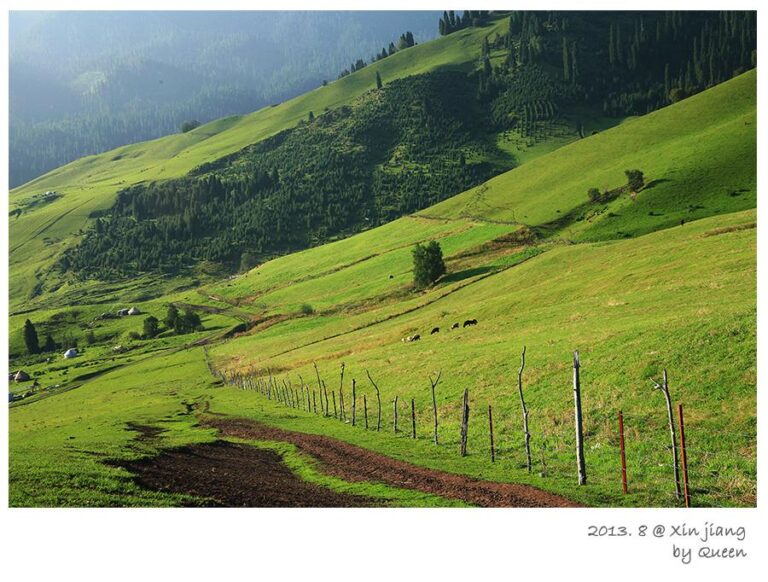
Better infrastructure overall. Kanas scenic area has received significant investment and facilities are good. Yining city has modern public toilets. The northern Xinjiang itinerary routes are more established for tourism, so facilities are more reliable.
South Xinjiang (Kashgar, Khotan, Tashkurgan)
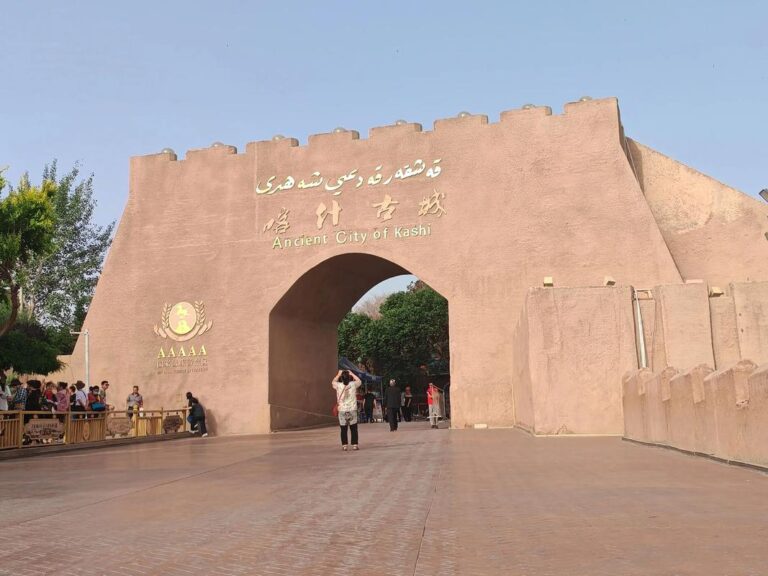
Kashgar city has good facilities, especially in the Old City near Id Kah Mosque and tourist areas. However, once you head out toward Khotan or Tashkurgan, facilities become more basic. The Karakoram Highway has limited stops — plan ahead.
FAQ: Your Xinjiang Toilet Questions Answered
Can I flush toilet paper in Xinjiang?
In cities and tourist areas: yes, you can flush toilet paper. However, in older buildings or rural areas, there may be signs saying “No flushing toilet paper” (请勿将纸巾丢入马桶). When in doubt, use the bin provided. We encountered this mostly in older budget guesthouses, not in public facilities.
Are there toilets at Xinjiang’s attractions?
Yes, all major paid-entry attractions have toilets. The question is more about quality than availability. Free attractions may have fewer facilities. Always use the toilet before leaving a major scenic area — the next one might be 30km away.
Is it safe to drink tap water after washing hands?
We don’t recommend drinking tap water anywhere in Xinjiang (or most of China). For handwashing, tap water is fine, but use hand sanitizer afterward if you’re concerned about cleanliness. Bottled water is cheap and widely available — costing ¥2-3 at convenience stores.
What if I can’t use a squat toilet?
Stick to upscale hotels, airports, and major shopping malls where Western toilets are guaranteed. In Urumqi, Western toilets are common in newer buildings. Download the “TOILET” app (Chinese: 厕所) which maps nearby public toilets — though it’s in Chinese, it’s helpful for locating facilities quickly.
Are there gender-neutral/toilet facilities for families?
These are rare in public spaces. Some modern shopping malls in Urumqi have “parent-child” toilets (亲子厕所) where a parent can accompany a child of a different gender. These are worth looking for if you’re traveling with family.
How do I ask “Where is the toilet?” in Chinese and Uyghur?
Chinese: 厕所在哪里? (Cèsuǒ zài nǎlǐ?) — Where is the toilet?
Uyghur: Туалет қаердә? (Tualet qayerdä?) — Note: In practice, most people in tourist areas understand the Chinese phrase, and many speak some Mandarin. In rural areas, accompanied travel or a translation app is recommended.
Disclaimer
This guide reflects our personal travel experiences in Xinjiang (primarily September 2023 and May 2024). Toilet facilities are continuously improving as Xinjiang’s tourism infrastructure develops. Conditions may vary by season, maintenance schedules, and usage levels. We do not guarantee that every facility mentioned will be in the same condition during your visit. Always carry your own supplies and maintain flexible expectations when traveling in remote areas.