Published: July 28, 2026 | Author: Niamh O’Sullivan, edited by Karl Huang
I ran a pony trekking yard in County Kerry for twenty-two years, which means I have spent most of my adult life putting nervous beginners on quiet cobs and listening to the same joke about the horse knowing the way home. So when my son Declan suggested Xinjiang horse trekking for my retirement trip in July 2025, I said yes before he finished the sentence. Kazakh and Mongol herders in the Tianshan have been riding these valleys for centuries, and I wanted to see what horsemanship looks like when it is a daily tool rather than a weekend hobby. We spent twelve days around the Ili Valley and Bayanbulak, three of them in the saddle on a proper multi-day trek. This guide covers what I learned, including the parts that surprised a supposedly experienced horsewoman. Rivers cut across a few of these routes, and by midsummer the same water gets paddled: our notes on rafting and kayaking cover where that is realistic.
Quick reference: Xinjiang horse trekking at a glance
| Item | Details |
|---|---|
| Best regions | Kalajun and Qiongkushitai (Tekes County), Nalati, Bayanbulak, Hemu to Kanas in the Altay |
| Typical cost | 250 to 400 RMB per day for horse plus local guide; multi-day treks 500 to 800 RMB per day with meals and yurt stay |
| Best season | Mid June to mid September; July is peak grass and peak flies |
| Riding style | Kazakh wooden-framed saddles, neck reining, no helmets provided |
| Skill needed | None for short rides; genuine trail fitness for multi-day routes |
| Booking | On the spot at scenic areas, or through homestay hosts for longer routes |
Three days between Kalajun and Qiongkushitai
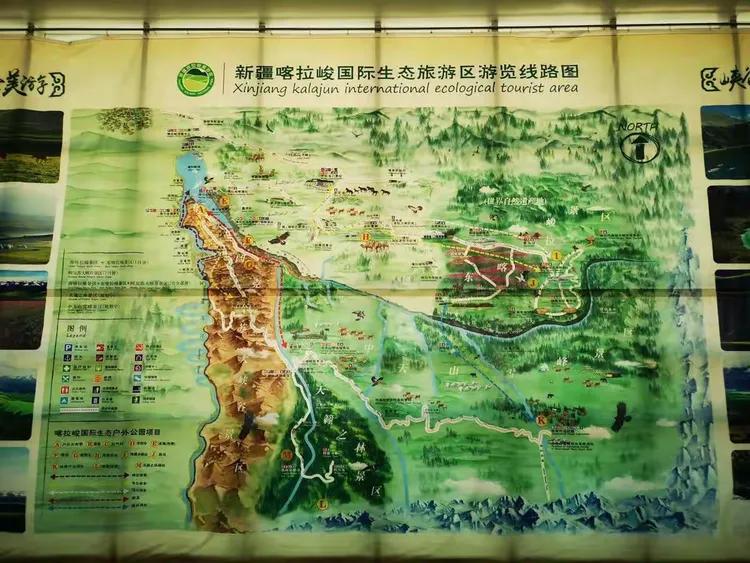
The heart of our trip was a three-day trek across the Kalajun grassland to the old Kazakh village of Qiongkushitai. Our guide was a herder named Bakytbek, arranged through the family homestay we had booked in Tekes two days earlier. He quoted 600 RMB per person per day, which covered horses, his time, meals and a night in his cousin’s yurt. Declan tried to bargain and got a slice of watermelon instead of a discount.
My mare was a compact bay with feet like iron and absolutely no interest in my opinions. Kazakh horses neck rein, so my careful direct-rein aids from forty years of British Horse Society habits meant nothing to her. Bakytbek watched me fumble for ten minutes, then said something to Declan’s translation app that came out as “hold the reins in one hand and stop thinking.” Best riding lesson I have received since 1987.
The wooden-framed saddle deserves honest comment. It is built for herders who ride standing in short stirrups, not for tourists who sit deep. By hour four of day one my knees had filed a formal complaint. I folded my fleece over the seat, which helped, and by day three I had adjusted. If you have your own gel seat saver, bring it. I am not joking. It weighs nothing and it will save your trip.
What stays with me is the pace of the land. We forded the same river nine times in one afternoon, passed flocks moving to summer pasture, and stopped for tea in a yurt where the grandmother milked a mare at the door. That bowl of kumis, fizzy and sharp and faintly of the stable, divided our family cleanly. I had two bowls. Declan went pale and stuck to tea. If fermented mare’s milk interests you, our guide to Xinjiang drinks rates it honestly.
Where else to ride: Nalati and Bayanbulak
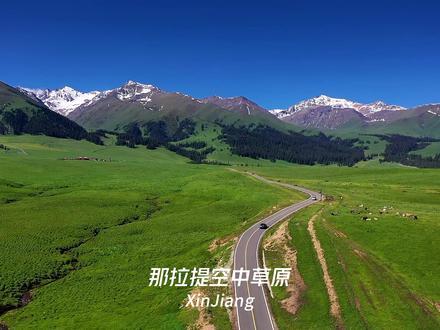
Before the trek we tested the shorter options. At Nalati, horse hire inside the scenic area is organised at fixed stands, around 300 RMB for a two-hour loop up to the ridge viewpoints. The horses are steady and the handlers walk or ride alongside first-timers. It is managed, it is a little conveyor-belt, and the views over the so-called sky grassland still make it worth a morning. For anyone who has never sat on a horse, this is the sensible place to find out how your body feels about it before committing to anything longer.
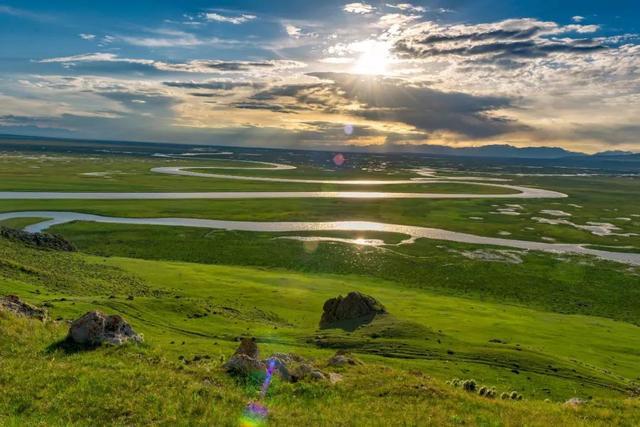
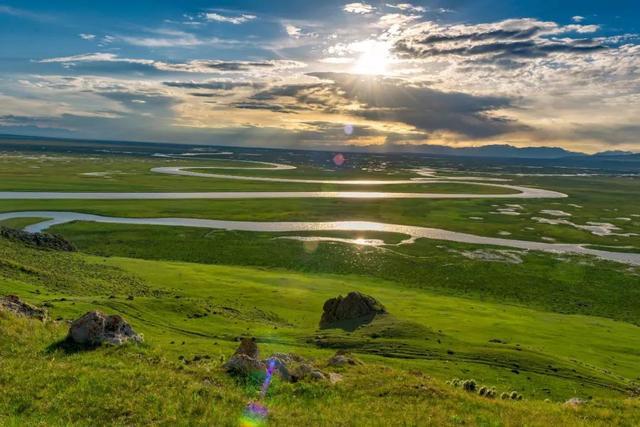
Bayanbulak is a different animal. The grassland sits near 2,400 metres in a huge basin full of swans and winding water. Rides here head toward the Kaidu River bends, and the light in the evening is the reason photographers lose their minds. We paid 280 RMB each for about three hours with a Mongol guide who sang most of the way. At that altitude I noticed my breath on the short uphill walks, so if you are sensitive, read up on altitude in Xinjiang before booking a long day.
We did not reach the Altay this trip, but riders we met in Tekes rated the Hemu to Kanas forest route as the most beautiful multi-day ride in the region, usually two days with a night in a log-cabin village. It books the same way: through your guesthouse host, cash, no paperwork.
Getting there
For the Ili routes, fly to Yining. Direct flights from Urumqi take about an hour and cost us 480 RMB each. From Yining, shared cars run to Tekes (2.5 hours, 60 RMB per seat) and buses serve Nalati town. Bayanbulak is reached from Nalati over an open pass, about three hours by hired car; we paid 400 RMB for the vehicle. There is no useful public transport between the grasslands themselves, so budget for private transfers or join the car-pooling groups your homestay host inevitably runs on WeChat. Full transport pricing for the region is in our Xinjiang budget breakdown.
When to go
The riding season is short. Snow lingers into May and returns in late September. Mid June brings wildflowers to Kalajun, July is the deepest grass and the busiest trails, and the first half of September gives golden light with fewer people, though nights in a yurt drop near freezing. We rode in the second week of July and had rain one afternoon in three. A proper waterproof, not a fashion one, belongs in your saddlebag. Avoid the first week of October entirely; national holiday crowds fill every grassland and horse prices double.
Where to stay
In Tekes we paid 380 RMB a night for a family homestay with breakfast, and it was the single best decision of the trip because the host arranged Bakytbek. On the trek itself you sleep in working yurts: felt floor, thick quilts, no plumbing, a torch walk to the long-drop. I slept better there than in most hotels. If the nomad household experience appeals beyond the riding, our Kazakh homestay guide explains the etiquette in detail. Nalati town has standard hotels from 250 RMB if you want a shower between rides.
What you will eat
Trek food is herder food. Breakfast was fresh nan bread, butter, and milk tea with salt, which I now genuinely miss. Lunch was cold nan, hard cheese called kurt, and dried apricots eaten in the saddle. Dinner in the yurt was a lamb and hand-pulled noodle dish and, on our final night, besbarmak, flat noodles under slow-boiled mutton eaten from a shared platter. Vegetarians should say so clearly when booking; the concept exists but the default answer to every meal question is lamb.
Practical tips from a professional
Some things I would tell any client back home, adapted for the Tianshan:
1. Helmets are not provided anywhere we rode. I packed my own from Ireland and wore it while local kids stared. Wear one anyway; grassland gopher holes are real and horses do trip.
2. Check your travel insurance wording. Many standard policies exclude horse riding, or cap it at short guided rides, and multi-day treks in remote areas often need an adventure add-on.
3. Long trousers, not leggings. The wooden saddle and felt blanket will eat thin fabric and then start on your skin.
4. Agree the price, the hours and what is included before anyone mounts, and confirm whether the quote is per person or per horse. Our only awkward moment at Nalati came from that exact confusion.
5. Carry cash. Nobody on a grassland takes foreign cards, and phone signal for payment apps vanishes in the valleys.
6. If you cannot ride at all, walk instead. The same valleys carry footpaths, and our Xinjiang hiking guide covers routes that parallel the horse trails.
A sample eight-day riding itinerary
Day 1: Fly Urumqi to Yining, transfer to Tekes, homestay night, arrange trek.
Day 2: Rest day in Tekes, visit the octagonal old town, buy trail snacks.
Days 3 to 5: Kalajun to Qiongkushitai trek, two yurt nights, return by car.
Day 6: Drive to Nalati, optional short evening ride, hotel night.
Day 7: Cross the pass to Bayanbulak, sunset ride at the river bends, guesthouse night.
Day 8: Return via Nalati to Yining, fly out.
Riders wanting more of the culture behind the horsemanship should read our guide to Kazakh culture in the Tianshan before going; knowing why the horse matters in this society changes how you see every interaction on the trail.
FAQ: Xinjiang horse trekking questions answered
Do I need riding experience for Xinjiang horse trekking?
Not for two-hour rides at Nalati or Bayanbulak, where handlers accompany beginners. For multi-day treks you need enough experience to control a horse at a walk and trot on open ground, and enough fitness to sit six hours a day.
How much does a multi-day horse trek cost?
Expect 500 to 800 RMB per person per day including horses, guide, meals and yurt accommodation. Day rides inside scenic areas run 250 to 400 RMB. Prices rise sharply during Chinese public holidays.
Are the horses well treated?
The working horses we saw were fit, unshod on soft ground, and turned out to graze every night. Tack fit was rougher than a European yard would accept. If a horse looks lame or sore-backed to you, ask for a different one; nobody took offence when I did.
Can children join a trek?
Short led rides suit children from about age six. I would not take a child under twelve on a multi-day route: the days are long, the saddles are hard and there are no adjustable stirrup leathers for small legs.
Is a permit needed for these areas?
No special permit was needed for Kalajun, Nalati or Bayanbulak in 2025 beyond scenic area entry tickets. Carry your passport at all times, as checkpoints on the roads between valleys do check documents.
Disclaimer
This article describes a personal trip taken in July 2025. Prices, road conditions and booking arrangements change season to season, and horse riding carries an inherent risk of injury regardless of experience level. Verify current costs locally, confirm that your insurance covers riding, and make your own judgement about any horse or route offered to you. We have no commercial relationship with any guide, homestay or operator named here, and we paid full price for everything described.
About the author
Niamh O’Sullivan ran a pony trekking centre near Killarney, Ireland for 22 years and holds BHS instructor qualifications. She travelled through the Ili Valley and Bayanbulak with her son in July 2025, paying her own way throughout. This article was edited and fact-checked for publication by Karl Huang and the Xinjiang Attractions editorial team.