Published: 5 August 2026 | Author: Fiona Grant, long-distance hiker and hot-spring collector | Reviewed by the Xinjiang Attractions editorial team
I did not come to Xinjiang for the water. I came for the ridgelines. But after my third season of walking here I noticed that the best days of every trip were the evenings when I got my legs into hot mineral water and stopped moving. That is how this page happened. Xinjiang hot springs are scattered along the same fault lines that push up the mountains you are trying to climb, which means the soak is almost always within a couple of hours of the trailhead if you plan the route in the right order.
What follows is a regional overview rather than a single destination write-up. I have soaked at four of the five areas below across visits in 2023, 2024 and early 2026, paid the entry fees myself, and got at least one thing badly wrong (see the section on altitude). Where I am working from operator information rather than personal experience, I say so.
Quick reference: soaking in Xinjiang at a glance
| Main soaking regions | Bortala (Wenquan county), Zhaosu (Xiata valley), Fukang foothills, Jimsar (Wucaiwan), Urumqi city |
| Typical source temperature | Roughly 40–70°C at the vent; pools are tempered down to about 38–43°C |
| Typical water type | Sulphate and bicarbonate waters inland; some sulphur-bearing springs in the western valleys |
| Entry cost | About ¥40–80 for a municipal or sanatorium pool, ¥150–300 for a resort complex |
| Best season | Late September to March. Deep winter is the most rewarding and the least crowded |
| Bring | Swimwear, flip-flops, your own towel, a ¥10 note for the locker, cheap water bottle |
| Leave behind | Silver jewellery, contact lenses, anything you would hate to see tarnish |
| Time needed | Half a day for a soak stop; two days if you are basing yourself in Wenquan |
Why the Tianshan leaks hot water
Xinjiang sits where the Indian plate’s northward shove is still crumpling central Asia. The Tianshan is not a dead range; it is being lifted right now, and the fractures that come with that lifting let groundwater sink deep enough to heat up and then rise back along the same cracks. That is the short version of why the springs cluster where they do — along mountain-front faults on the northern slopes and in the valleys of the western Tianshan, rather than out in the basins.
It matters practically, not just geologically. It explains why nearly every good spring in this region is also next to good walking. If you are already planning hiking in the Tianshan and Pamir ranges, you are almost certainly passing a soak without knowing it.
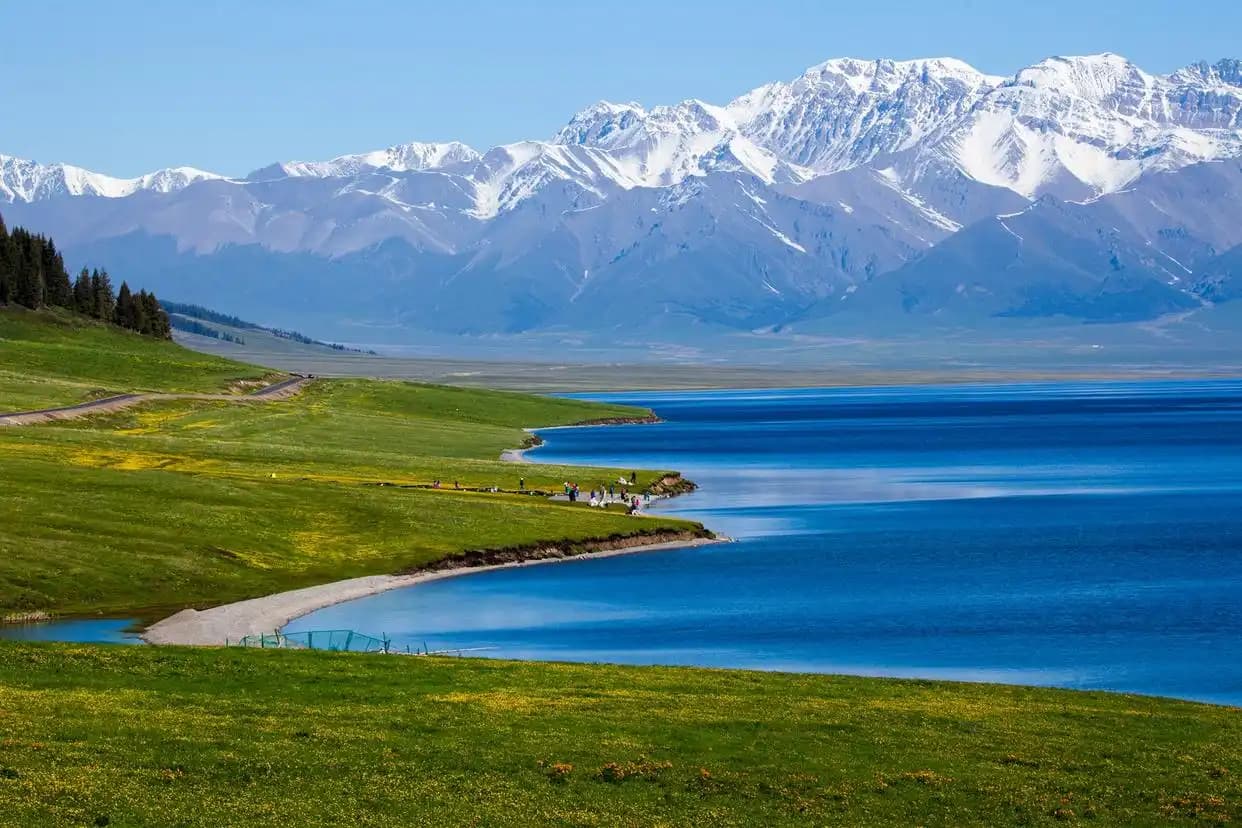
Where the springs actually are: five regions worth planning around
I have ordered these by how much I think they justify a detour, not by how developed they are.
| Region | Character | Pair it with |
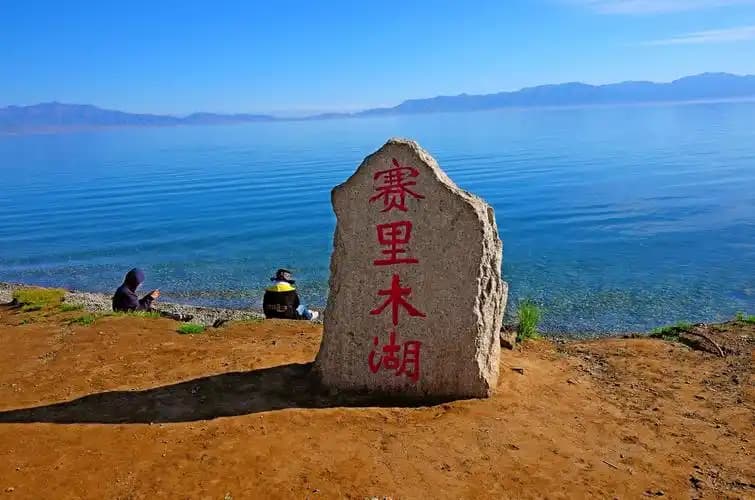
| Wenquan county, Bortala | A whole county named after its water. Sanatorium pools, small guesthouse baths, a long local bathing habit rather than a tourist product | Sayram Lake, the Kazakh summer pastures |
| Xiata, Zhaosu county | Springs at the mouth of a glacier valley. Rustic, seasonal, gorgeous setting, minimal facilities | The Xiata trek, Zhaosu’s horse country |
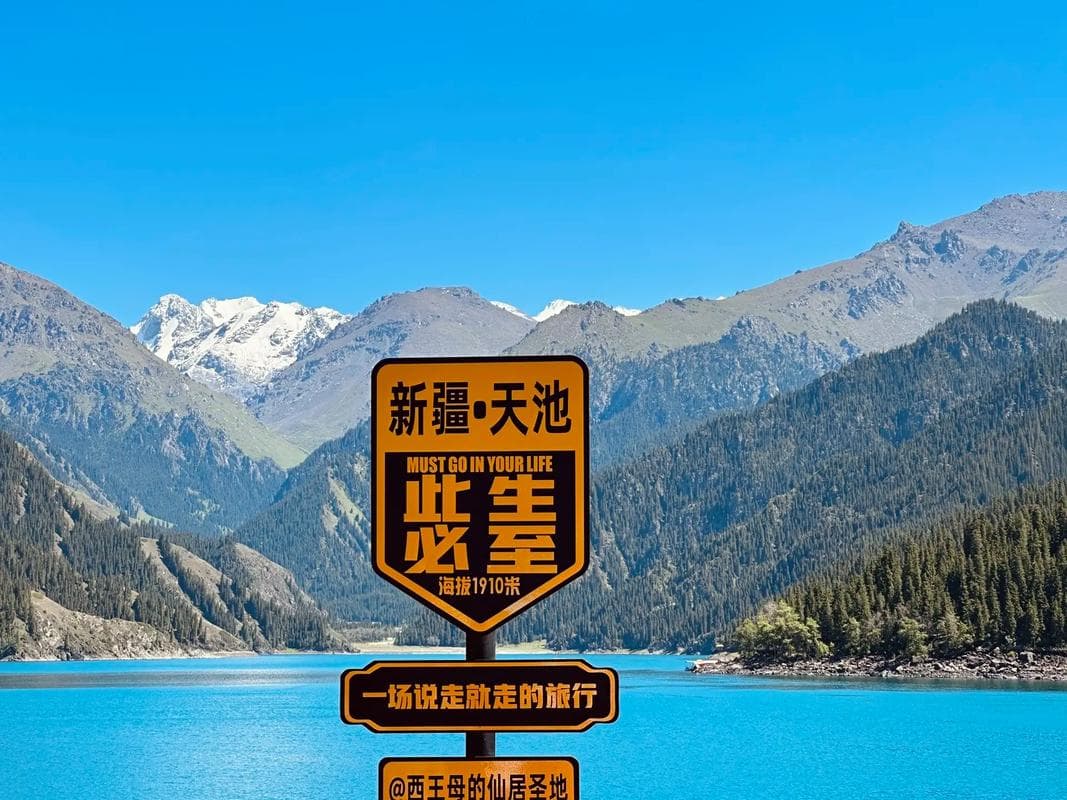
| Fukang foothills, Changji | Resort-style complexes at the base of the mountain road. Convenient, commercial, warm all winter | Tianchi, Bogda-side day walks, ski weekends |
| Wucaiwan, Jimsar county | Deep-well thermal water in semi-desert. Strange and rather good in winter, with coloured badlands nearby | Desert photography, the Jimsar ruins |
| Urumqi (Shuimogou district) | The city’s old bathing quarter. Now mostly hotel spas rather than open pools, but it is a genuine soak inside the capital | A rest day at either end of a trip |
Two of these have their own detailed pages on this site, and I would rather point you there than repeat the logistics badly. For the Bortala springs, including how the county town is laid out and which pools are open to walk-in visitors, see the Wenquan hot springs guide. For the glacier-valley soak in the Ili region, see Xiata Ancient Pass and hot springs. The Fukang cluster makes most sense read alongside the Fukang base-camp guide and the Tianchi Lake travel guide, since almost nobody comes for the water alone.
One honest caveat about the smaller springs. Xinjiang has plenty of minor thermal seeps attached to village sanatoriums, mining towns and herders’ summer camps. Some are lovely. Many are a concrete tank in a shed, run irregularly, with no English and no fixed opening hours. I have been turned away from two. Do not build a driving day around a spring you found only on a map.
My own soaking log, including one bad decision
My first Xinjiang soak was at Xiata in June 2023, after four days of walking in and out of the valley. The water there is not a spa. It is warm, faintly metallic, and the changing arrangement was a wooden partition. I sat in it for close to forty minutes because it felt so good, then stood up and nearly went over. That was the bad decision. We were above 2,000 metres, I had been on the move all day, I had drunk almost nothing since lunch, and hot water plus altitude plus dehydration is a reliable way to make yourself faint. My walking partner had to steady me for a minute. Nothing dramatic happened, but it was avoidable and slightly embarrassing.
Wenquan in October 2024 was the opposite experience: unglamorous and completely wonderful. We took a sanatorium pool on a weekday morning and shared it with four retired men who were clearly there every day and who had opinions about how long a newcomer should stay in. Sixty-eight yuan. Tea afterwards in a plastic chair outside. That morning did more for my knees than the previous fortnight of stretching.
Fukang in February 2026 was the commercial version — heated indoor and outdoor pools, robes, a buffet I did not need. It cost roughly four times as much as Wenquan and I still recommend it, because sitting in 41°C water with snow landing on your head at −18°C is a genuinely strange sensation and one of my favourite memories from that winter.
Bathhouse, resort pool or wild seep: know what you are buying
The word “hot spring” covers three quite different products here, and the etiquette differs.
Sanatorium and municipal pools. These are the local institution: single-sex, indoors, often attached to a rest home or a workers’ facility. You wash thoroughly at a tap before entering, no swimwear, no photographs of any kind. Prices are low. Staff may not speak English or, in some western counties, much Mandarin either. Bring a translation app and be patient.
Resort complexes. Mixed, outdoors, swimwear required, and usually a swimming cap too — this catches out a lot of foreign visitors, so buy one at reception rather than arguing. Lockers take a deposit. Photography is fine in the general pool areas. These are the ones you can book online in advance.
Undeveloped seeps. Rare, unmarked, and unregulated. I have used exactly one and I am not going to publish where. If you find one, treat it as you would a river: no soap, no bottles, pack out what you carry in.
A note that matters for planning: in local bathhouses the men’s and women’s sides are genuinely separate buildings or floors, not two doors off one lobby. Couples travelling together should agree on a meeting time before going in, because you may not be able to reach each other for an hour.
Getting there
None of these springs are on a rail line. Every one of them ends with a road transfer, so sort that out first.
| From | To | How |
| Urumqi | Fukang foothills | Around 1.5 hours by car; day-trip minibuses run in winter |
| Urumqi | Wucaiwan, Jimsar | 2.5–3 hours by car on the G216 corridor |
| Urumqi / Yining | Wenquan, Bortala | Fly or train to Bole, then about an hour by road |
| Yining | Xiata, Zhaosu | 4–5 hours by car via Zhaosu; no useful public option to the valley itself |
For the Bortala and Zhaosu trips I would hire a car with a driver rather than self-drive, mostly because the last stretch in both cases is unlit and the mountain weather changes fast. If you prefer to drive yourself, renting a car in Xinjiang covers the paperwork properly, and the long-distance coach network explains what is realistic by bus. Within cities, ride-hailing and taxis will get you to the departure point, and the wider Xinjiang transportation guide ties the whole chain together.
When to go
Winter, without much hesitation. The pleasure of a hot spring is proportional to the misery outside it, and northern Xinjiang delivers plenty of misery between December and February. Snow on the pool deck, steam thick enough to hide the person opposite you, hair freezing into shapes — that is the version worth flying for. It also happens to be low season for everything except the ski resorts.
Autumn is the practical compromise. From late September the crowds thin, the roads are still easy, and the larch and poplar colour is running through the valleys. If you are timing a trip around that, the autumn foliage calendar is more useful than any spring schedule.
Summer is the weakest season for soaking, with one exception: Xiata, where the valley is only comfortably accessible from about June to September anyway, so you take the water when you can get it. Elsewhere, sitting in 42°C water in July is a chore.
Where to stay
In Wenquan county the sensible option is a small guesthouse in the county town, some of which have their own piped bath, for around ¥150–250 a night. Bole has the bigger hotel stock if you want more choice and do not mind the drive. Around Fukang the resorts sell room-and-soak packages, which are decent value in winter if you would otherwise pay twice for entry. For Xiata, plan to sleep in Zhaosu town rather than at the valley, and check the season before booking anything.
General standards, booking platforms and what “four star” tends to mean out here are covered in the Xinjiang hotels guide. If you are combining springs with tent nights on the grassland, camping in Xinjiang has the permissions side.
Eating around the springs
Spring towns are not food destinations, and I would not travel for the restaurants. What you get is solid mountain-region cooking: hand-pulled laghman, tureens of mutton soup, big plates of chicken and potato, milk tea in the Mongol and Kazakh areas around Bortala. Wenquan has a small night market that is worth an hour. Resort buffets at Fukang are fine and dull.
One local habit worth copying: nobody here eats a heavy meal immediately before soaking, and after a long bath most people drink salty milk tea rather than water. Whatever the physiology, it settles you better than a cold bottle does.
Practical tips I would give a friend
- Fifteen to twenty minutes, then get out. Cool down, drink something, go back in if you want. Long single sessions are how people get into trouble.
- Drink before, during and after. The dry air out here hides how much you are losing. My Xiata wobble was straightforward dehydration.
- Take altitude seriously. Xiata and the higher Ili valleys sit well above 2,000 metres. Hot water lowers blood pressure and thin air compounds it.
- Skip it if your heart or blood pressure is a question mark, or ask a doctor first. This is standard hot-spring advice and it applies here too. The Xinjiang health and medical preparedness guide covers what care you can actually reach in these counties.
- Leave silver at the hotel. Sulphur-bearing water blackens it, sometimes permanently.
- Glasses, not contacts. Mineral water and lenses are a poor combination.
- Buy a swimming cap before you argue about needing one. Most resort pools require it.
- Cash still helps. Small sanatorium counters in western counties are not always set up for foreign cards or foreign-registered payment apps.
- Phones and steam. Leave it in the locker. I have watched two people learn this expensively.
- Accessibility is mixed. Resorts generally have ramps and lifts; older bathhouses have steps and wet tile. The accessibility guide goes into what we tested.
A five-day loop that ends in hot water every night
This is roughly the route I ran in October 2024, tidied up.
Day 1. Fly into Urumqi, sleep in the city, get your bearings with the Urumqi city guide. A short evening soak at a Shuimogou-district hotel spa if the flight was long.
Day 2. Drive to the Fukang foothills. Walk the lower Tianchi trails in the morning, resort pools in the late afternoon when the day-trippers leave.
Day 3. Fly or train west to Bole, transfer to Wenquan. Sanatorium bath in the evening, night market afterwards.
Day 4. Morning soak, then out towards Sayram Lake for the afternoon light. Second bath back in the county town.
Day 5. Continue south into the Ili valley and base yourself in Yining, or push on to Zhaosu if you have the Xiata valley in your plans and the season is right.
If you would rather build the whole thing around snow, winter adventures beyond skiing and skiing in the Altai slot into the same weeks. Walkers coming off the ice will want the glacier hiking guide first.
Xinjiang hot springs FAQ
Do I need to book ahead? For resorts in winter and at Spring Festival, yes. For sanatorium pools, no — turn up in the morning.
Can foreign visitors use local bathhouses? In my experience yes, and nobody made an issue of it. Expect curiosity rather than obstruction. Carry your passport; some facilities register guests.
Are the pools single-sex or mixed? Traditional bathhouses are single-sex and you bathe without swimwear. Resort pools are mixed and swimwear is required. Do not assume; look at what people are carrying at the door.
What does it cost? Around ¥40–80 at municipal and sanatorium pools, ¥150–300 at resorts, more with a room package. Prices in 2026, and they move.
Is the water safe? The developed pools are chlorinated or continuously flushed and I have had no problems. Do not drink the water, whatever a sign says about mineral benefits, and do not put your head under.
Are there springs near Kashgar or in the south? Not meaningfully. The soaking is a northern and western Xinjiang activity. Southern itineraries are better planned around the oasis cities and the Taklamakan desert crossings.
How long should I allow? Half a day per soak stop. Two nights if you want Wenquan to be more than a bath and a bed.
Disclaimer
Prices, opening hours, pool temperatures and access rules were accurate as of my most recent visit in February 2026 and from operator information checked in mid-2026. Facilities in this region open and close seasonally and without notice, and mountain roads to Xiata and parts of Bortala close in bad weather. Confirm locally before committing to a long drive. Nothing here is medical advice: hot-spring bathing carries real risks for people with cardiovascular conditions, for anyone pregnant, and for anyone who has been drinking. Ask a doctor if you are unsure.
About the author
Fiona Grant is a long-distance hiker who has been walking in the Tianshan and Pamir ranges since 2019 and has an unapologetic habit of routing every trip past a bathhouse. She has soaked in Bortala, Zhaosu, Fukang and Urumqi, and paid her own way for all of it. This guide was reviewed and fact-checked by the Xinjiang Attractions editorial team, who cross-checked transport times and current entry pricing with local operators.